





The evolution of casinos tracing their historical roots and significance
The Origins of Gambling
The practice of gambling is ancient, with its roots tracing back thousands of years to civilizations such as the Chinese, Greeks, and Romans. Historical evidence suggests that dice, a fundamental gambling tool, was used as early as 3000 BC in China. These early games often served not only as entertainment but also as a means of predicting future events and outcomes. Ancient Greeks further shaped gambling culture with their organized betting systems tied to athletic competitions, particularly the Olympic Games, which added layers of societal significance to the act of wagering. In modern times, sites like hustlescasino-uk.com/ capture this enduring excitement, reflecting contemporary gambling trends.
As cultures evolved, so did the methods of gambling. The Romans, for instance, popularized public gambling venues called “tabernae,” where citizens could place bets on gladiatorial matches and other events. These establishments laid the groundwork for future gaming houses, providing a social atmosphere that encouraged public engagement. The intertwining of gambling with social and cultural festivities illustrated its growing importance in daily life, paving the way for the establishment of modern casinos.
The emergence of written gaming rules around the 16th century signified a shift toward formalized gambling practices. As society began to embrace regulations, gambling evolved from a casual pastime into a structured activity, with laws governing how games were played. This transition marked a crucial step in the establishment of casinos as we know them today, highlighting gambling’s long-standing role in human history and its ability to adapt to societal changes.
The Rise of Modern Casinos
The modern casino concept took shape in the 17th century with the establishment of venues in Italy, particularly in Venice, which introduced organized gambling on a large scale. The Casino di Venezia, established in 1638, became one of the first dedicated gambling houses, featuring various games and lavish entertainment. These early casinos not only provided games of chance but also served as social hubs, reflecting the era’s opulence and sophistication. The successful model in Italy inspired other European nations to create their own gaming establishments.
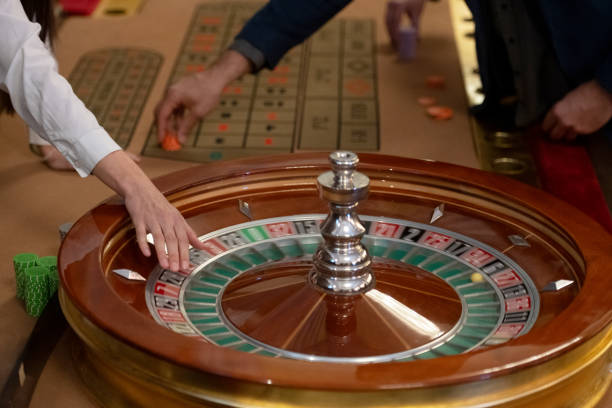
The 19th century heralded significant advancements in casino design and game development. As casinos flourished in France, the introduction of the roulette wheel and other games captured the imaginations of the public. This period witnessed the formalization of casino architecture, blending grand aesthetics with functionality. Iconic venues such as the Casino de Monte-Carlo emerged, setting high standards for luxury and entertainment, and solidifying the casino’s role in leisure culture.
The spread of gambling across the globe continued throughout the 20th century, notably in the United States, where Las Vegas became synonymous with casinos. The legalization of gambling in Nevada in 1931 transformed the city into a major entertainment hub, attracting visitors from all walks of life. With lavish resorts and a diverse range of gaming options, Las Vegas revolutionized the casino industry, creating a vibrant environment that celebrated both chance and spectacle.
Cultural Impact of Casinos
Casinos have long played a significant role in shaping cultural narratives and societal values. They serve as focal points for entertainment, where people come together to indulge in games of chance and social interaction. This communal aspect of casinos fosters connections among individuals, often reflected in film and literature. Movies such as “Casino Royale” and “Ocean’s Eleven” depict the allure and glamour of gambling, creating a cultural fascination with the high-stakes world of casinos. The impact of such representations extends into broader cultural dialogues about risk and reward.
Moreover, casinos symbolize both excitement and danger, highlighting the duality of gambling’s appeal. The thrill of winning is often juxtaposed with the risks of addiction and financial loss, making casinos a subject of both admiration and scrutiny. Discussions surrounding responsible gambling practices have emerged as casinos strive to address these challenges and promote a balanced view of gaming within society.
Additionally, casinos are integral to local economies, generating significant revenue and job opportunities. The influx of tourism spurred by casinos boosts local businesses and infrastructure. However, this economic benefit raises questions about the social costs associated with gambling, prompting ongoing debates about regulation and community impact. The cultural representation of casinos, therefore, extends beyond mere entertainment; it encapsulates broader societal themes of risk, reward, and economic development.
The Digital Transformation of Casinos
The advent of the internet has ushered in a new era for casinos, transforming traditional gambling into a digital phenomenon. Online casinos emerged in the late 1990s, providing players with unprecedented access to games from the comfort of their homes. This shift not only expanded the audience for casino games but also revolutionized how people engage with gambling. The convenience and accessibility of online platforms have made casinos a staple in the digital entertainment landscape.
With technological advancements, the online gaming experience has evolved to include live dealer games, virtual reality, and mobile gaming applications. These innovations have created immersive environments that closely mimic the ambiance of physical casinos, catering to the preferences of a tech-savvy generation. As a result, online casinos have become increasingly popular, drawing millions of players worldwide and redefining the casino experience.
The rise of online casinos has also sparked discussions about regulation and player safety. As the industry grows, so too do concerns regarding fairness, security, and responsible gaming. Operators are now challenged to implement measures that protect players and maintain integrity within the digital gambling space. This evolution reflects the broader trends in society where technology continually reshapes how we interact with entertainment and leisure activities.

Exploring Hustles Casino UK
Amidst the evolving landscape of gambling, Hustles Casino UK stands out as a premier destination for online gaming enthusiasts. With an extensive library featuring over 1,000 games, including slots and live casino options, Hustles Casino provides a thrilling and diverse gaming experience tailored for both newcomers and seasoned players. Its user-friendly interface and instant withdrawal options enhance the overall experience, making it a top choice for those looking to engage with online gambling.
The casino offers an exclusive welcome bonus of up to £1,000 along with 60 free spins, attracting players eager to dive into the exciting world of online gaming. This commitment to player satisfaction underscores Hustles Casino’s dedication to creating a rewarding environment. The blend of cutting-edge technology and traditional casino experiences resonates with players seeking both familiarity and innovation in their gaming adventures.
As the casino industry continues to evolve, Hustles Casino UK positions itself as a leader in embracing change while preserving the thrill of gambling. With a focus on enhancing user experience and promoting responsible gaming practices, Hustles Casino is set to play a significant role in shaping the future of online casinos, ensuring that the excitement and significance of gaming endure in this ever-changing landscape.